Artificial Intelligence is a test of ethics
Photography ethics
I've been observing AI use in photography communities, and asking questions in the photo industry for the past several years.
It first came to my attention when a friend shared a series of "artful photos" featuring mature women as mermaids. They were incredibly good! But, I could tell they were AI. That was during the Pandemic, about 5 years ago, and I actually commented that I looked them up and they were indeed AI. That friend responded about how she didn't care because she appreciated the representation and joyful play to include elder women.
And that opened my eyes to the reality that some were using AI imagery to create more inclusive visuals. Then, the news about the Levi company hiring an AI Modeling agency to create their marketing for that very reason came out. It felt like a lazy reason to me, I mean, why couldn't they hire actual models with diversity?
Then, in the spring of 2024, I attended the WPPI photography conference in Vegas for the first time. It was there that I was able to sit with a representative from Adobe, the maker of Photoshop and Lightroom software that I use. I had just attended a couple of seminars where high profile photographers demonstrated both Adobe and another company's AI tools. Which led me to ask this Adobe person point blank, "At what point does a photograph no longer qualify as a photograph?"
Her answer: "That's up to you."
My AI Policy - Authenticity rules
My ethics have held me accountable to an internal compass toward authenticity. I also believe in consent. The authenticity part comes into play in how I use or choose NOT to use AI in my process and retouching tools. My background in photojournalism coupled with hearing several hundred clients speak to their needs, and I have chosen to not use AI on my work unless directly asked to do so (for example, I have had one client asked for an AI background).
Retouching is done by hand, meaning I touch and use retouching tools I choose, and selected per retouch need. I'm not using auto-AI retouching. My own hands select the tools, and I retouch with care and intention. In practice it reminds me of painting like when I change a background to look consistent, such as expanding a color backdrop to be bigger.
Now, Adobe has integrated AI tools within their programs. And, still, I strive to keep my human discernment and skills in the process every step of the way.
That means things like cropping, adjusting the exposure (brightness), contrast, darkening an area or lightening an area in a photo all work for me. This can mean I may adjust the brightness of someone's eyes, soften lines with light, or crop to pull the focus on one area of a photo.
Here are two examples below of a field of Daisies to show what I mean: Photo on the left is the original as I photographed it. The photo on the right was adjusted in Adobe Lightroom to crop, brigthen the exposure and adjust the color balance to what I remembered seeing that moment - a much more golden light and warmer tones than my camera picked up in the original.
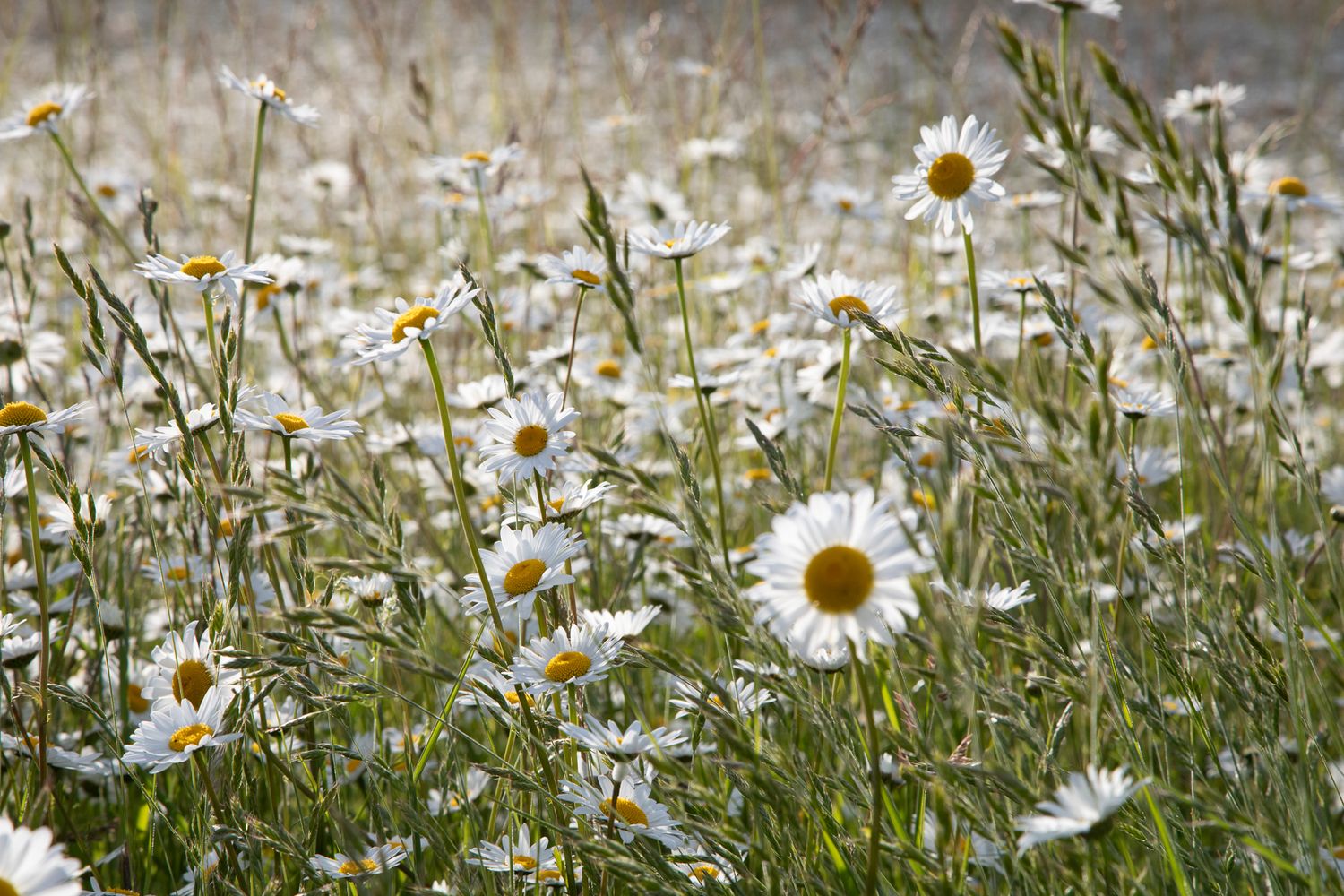
Original Photo
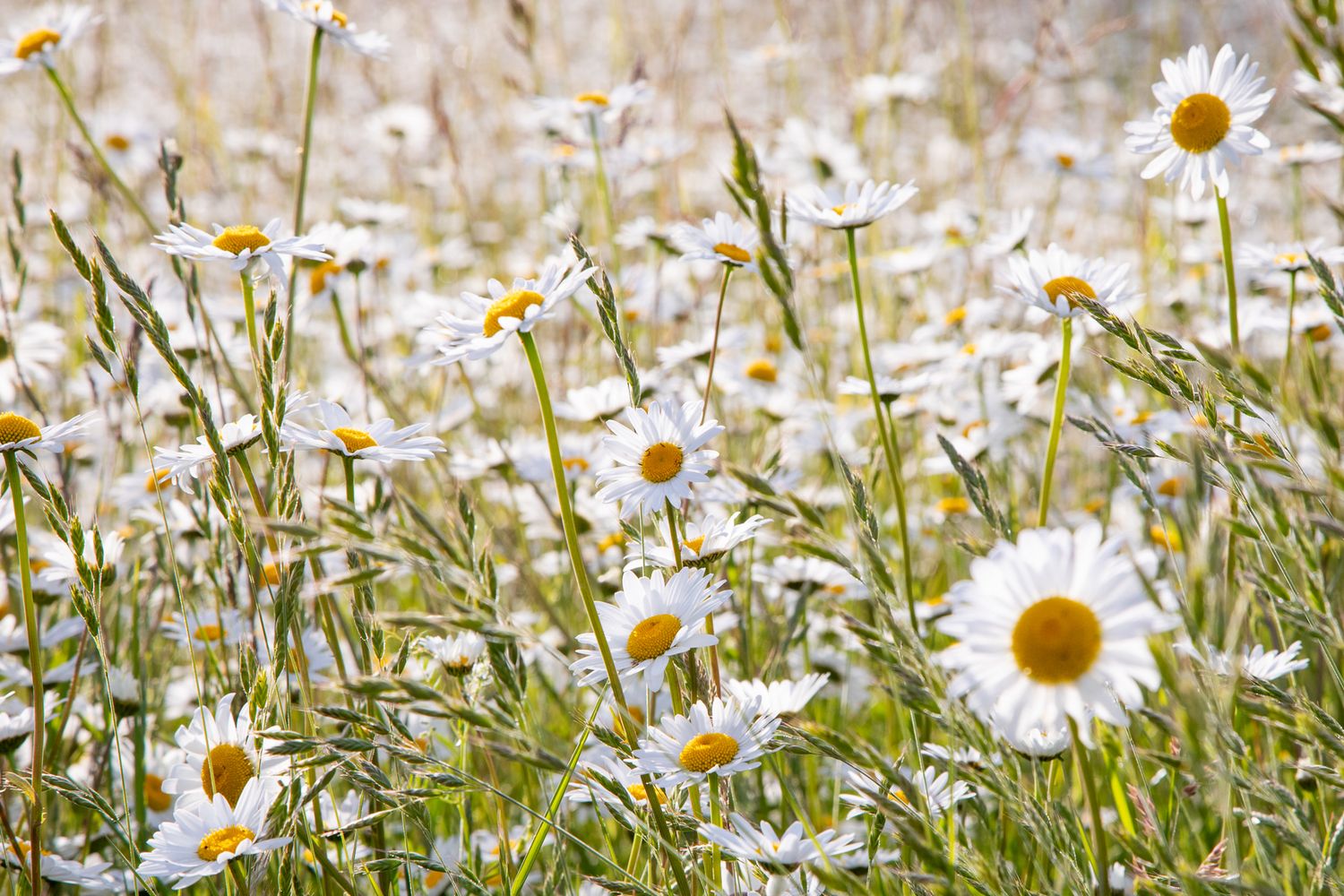
Cropped, brightened and color balanced
Human ethics
There is much debate about AI, and it's use to help us all work smarter, not harder. To be more productive, doing work faster, and better is the pressure we are all feeling. I am concerned about what the cost is in the long run. How are my own actions as a business owner going to affect my Grandchildren's Grandchildren? Sure, it may provide more time spent on photography and less on retouching. That may provide me more quality time with my loved ones. But is the trade off worth it? This is the question I wrestle.
What is the true cost of AI?
I'm concerned about the fresh water needed for AI. It is only recently coming out in article and studies about how much water is needed, and these are estimates, but basically, it's a LOT. Here's one article from 2025 that I found helpful for an overview of how much water is being consumed, and what some alternatives may be: Data Centers and Water Consumption.
One thing I try to do is to read the opposite perspectives on issues like this from a variety of sources. Which is why I found this other article shared through the World Economic Forum, "Why AI's Water Problem Might Be An Opportunity."
My take on the article is that AI might help the water issues, because it forces a closer look at our water usage and may push more efficient systems. Now, that's a hopeful perspective. And, as I read more, and continued to learn, my take-away is that I'm just a drop of rain in a river rushing down the AI waterfall. My own actions cannot make a big difference. But still, I can align them with my internal compass. For now, I choose to not use AI in my daily life as much as possible. I'm still learning and will honestly share that I may change my mind at some point in the future.
What Can I do to align my ethics?
My use of AI is no longer sitting in my own brain. I'm updating my client conversations to be transparent with how I will and will not use AI.
I have clients who are using AI and have been to do things like change their headshot backgrounds, or animate a still photograph. That feels uncomfortable to me on an ethical level. But, I am also not going to monitor my clients and how they use the photographs I create for them.
If they choose to use AI on their photographs, that's their business. And yes, it does in a way steal from my business. There are two parts to this: 1. their use of my photos into an AI system shares my intellectual property with that system without my knowledge, and 2. it steals from my ability to serve them different photos or videos I could create instead. But, because I want to be a photographer and not spend my time managing client's use of my photos, I have chosen to let this go.
What I can do is include my perspective in my conversation with them and ask them to please be considerate of how they use AI. And, at the end of the day, really, the customer is going to do what the customer is going to do. I'm choosing to focus on doing the work that I love, photography.
Do No Harm
All that shared, and I am choosing to hold this boundary: do no harm. This is one really important topic I will be bringing up in my conversations with clients.
What that may look like is taking an employee headshot and turning it into a VIDEO of them promoting an idea that harms others. We are now in the very real level of AI quality that photos can be turned into videos to say and do things that are NOT real. As in, the person photographed may not have any idea their photos are being used as video. And that feels really bad to me.
I've seen how AI can harm people. And, I've also read about how it can sort through large amounts of data to save lives, for example. And I have also seen it share false information. The thing is, I don't know what the long-term effects of AI will be. As a photographer and artist, I know that I do not want my creativity skills to ever be used to harm others. That's where I draw the line, my AI policy is do no harm. And, if a client wants to use their photographs with AI tools, I will ask that they consider their own ethical standards too.
P.S. If a client of mine does not want any retouching or changes made to their photos, I honor them. My first love is film photography, so I'm more than happy to work with folks who want zero retouching. Communication is key!
